Housing
Emergency Rental Assistance: Programs Still Accepting Applications
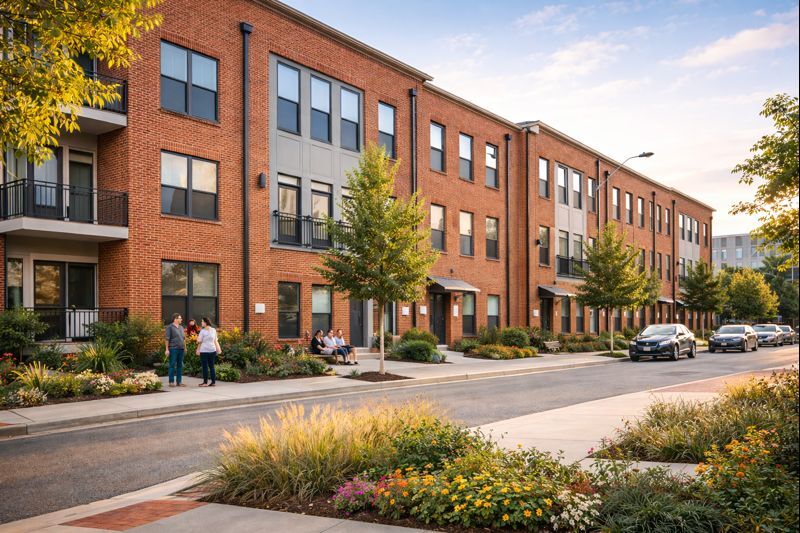
If you’re struggling to pay rent, you may qualify for emergency rental assistance from federal, state, or local programs. Many programs launched during the pandemic have continued with ongoing funding to help low-income renters avoid eviction.
The Emergency Rental Assistance (ERA) program provided over $46 billion to states and localities to distribute to eligible households. While the initial federal rounds have closed, many state and local programs continue to operate using unspent or reallocated funds.
Most programs require that you: (1) are renting your primary residence, (2) have experienced financial hardship, (3) have a household income at or below 80% of Area Median Income (AMI), and (4) are at risk of housing instability. Some programs prioritize those with past-due rent or facing eviction proceedings.
Assistance can cover past-due rent (often up to 12–18 months), future rent payments (often 3 months at a time), and utility arrears. Payments typically go directly to your landlord or utility provider.
Contact your local housing authority or community action agency, or visit your state’s HUD-approved housing counseling agency. Many areas have 2-1-1 hotlines that can connect you with local rental assistance programs quickly.
Lorem ipsum dolor sit amet, consectetur adipiscing elit. Suspendisse varius enim in eros elementum tristique. Duis cursus, mi quis viverra ornare, eros dolor interdum nulla, ut commodo diam libero vitae erat. Aenean faucibus nibh et justo cursus id rutrum lorem imperdiet. Nunc ut sem vitae risus tristique posuere.
If you’re struggling to pay rent, you may qualify for emergency rental assistance from federal, state, or local programs. Many programs launched during the pandemic have continued with ongoing funding to help low-income renters avoid eviction.
Be the first to know when new programs open, change, or have upcoming deadlines.
Sign Up for Text Alerts →